

Alpine style vs expedition style climbing explained
Two ways to climb a big mountain: carrying everything in one push, or building a chain of stocked camps. How they differ and who each suits.
By Abid Baig
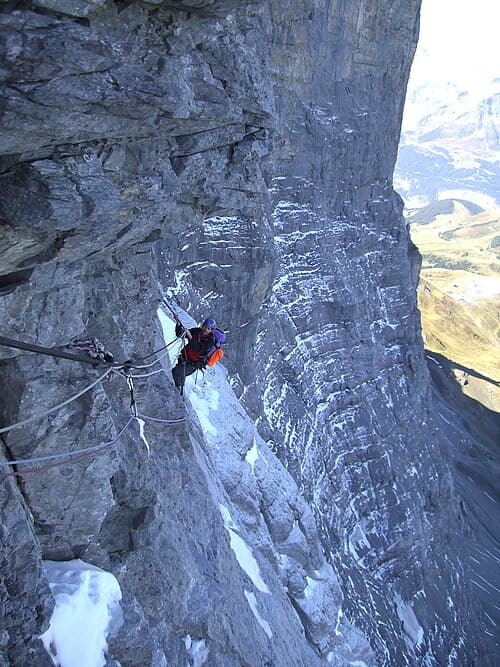
"Alpine style" and "expedition style" (sometimes called "siege style") describe two different ways of climbing a big mountain.
Expedition style
The team establishes a series of camps up the mountain, often with fixed ropes between them, and moves up and down in rotations to acclimatise and carry supplies. The summit push begins only once the camps are stocked. This is how most commercial 8,000m expeditions work.
Alpine style
A small team climbs from the bottom to the top in a single push, carrying everything it needs, usually without fixed ropes or pre-placed camps. Climbers typically acclimatise first on a nearby peak or a lower section of the route.
The trade-offs
Alpine style is faster, lighter, and more committing: there are fewer safety margins and retreat can be harder. Expedition style is slower and uses more resources, but gives more chances to rest, acclimatise, and turn back safely.
Which is right for you
Alpine style suits experienced climbers with solid technical skills and a strong partnership. Expedition style is the usual path for climbers moving up to the highest peaks.